
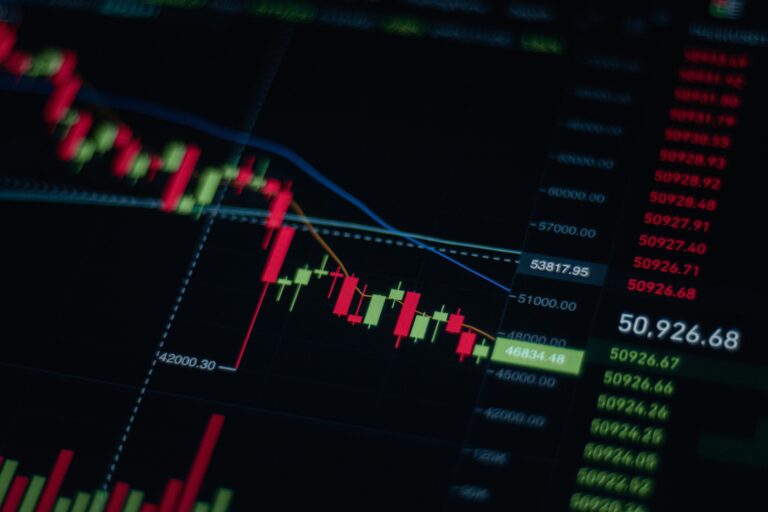
Many online investment platforms provide dashboards that display balances, profits, trading history, and portfolio performance. These tools can help investors monitor their accounts and understand market activity.
However, not every trading dashboard should be accepted at face value.
In some reported cases involving online investment disputes, investors have described seeing account balances that appeared to grow steadily, only to experience difficulties when attempting to withdraw funds. While a dashboard may display impressive returns, the true test of any investment platform is whether those funds can be accessed according to the platform’s stated policies.
This article explains what a fake trading dashboard may look like, why investors should verify what they see, and how to evaluate trading platforms using objective evidence rather than appearances.
What Is a Fake Trading Dashboard?
A fake trading dashboard is a term commonly used to describe an interface that may display trading activity, profits, or account balances that cannot be independently verified by the investor.
Not every attractive dashboard is misleading, and a polished interface alone does not indicate wrongdoing. The important question is whether the information shown can be confirmed through transparent records, documented transactions, and normal account processes.
Rather than relying solely on what appears on the screen, investors should seek independent confirmation whenever possible.
Why Dashboard Numbers Alone Don’t Tell the Whole Story
A dashboard is designed to summarize account information, but numbers on a screen are only one part of the overall picture.
Investors should also consider:
- Whether trades are documented.
- Whether account statements are available.
- Whether withdrawals are processed according to published policies.
- Whether customer support provides consistent answers.
- Whether important account information can be independently verified.
When these elements work together, investors gain a clearer understanding of their investment—not just what is displayed on a dashboard.
7 Signs to Evaluate Carefully
1. Profits Increase Consistently Without Explanation
Investment markets naturally fluctuate.
If account balances appear to increase steadily without any meaningful explanation of market conditions, investment strategy, or risk, ask for additional documentation explaining how those results were achieved.
2. You Cannot Verify Completed Trades
Professional investment platforms generally maintain detailed transaction histories.
Consider asking:
- When was each trade executed?
- At what market price?
- Which exchange or liquidity provider processed it?
Independent verification helps investors better understand their account activity.
3. Withdrawals Become Difficult
One of the most important questions is not how easy it is to deposit money, but how straightforward it is to withdraw it.
If a platform repeatedly delays withdrawals, introduces unexpected requirements, or encourages additional deposits before processing a withdrawal request, pause and request written clarification.
4. Account Statements Are Missing
A dashboard should not replace formal account records.
Professional financial services often provide statements showing:
- Deposits
- Withdrawals
- Transaction history
- Fees
- Current balances
Documentation helps investors reconcile what they see online with official records.
5. Customer Support Avoids Direct Answers
Clear communication is an important part of any financial relationship.
If questions about account activity or withdrawals receive inconsistent or vague responses, continue requesting clarification in writing and keep copies of all correspondence.
6. The Dashboard Cannot Be Independently Confirmed
Whenever possible, compare dashboard information with other available records, such as confirmation emails, statements, or documentation from the institution holding your assets.
The ability to verify information independently strengthens confidence in the investment process.
7. The Focus Is Always on Depositing More Money
A platform should support informed investing—not constant pressure to increase deposits.
If every conversation returns to adding more funds instead of answering questions about your existing account, take time to review the situation carefully before making additional financial commitments.
A Different Perspective: The Screen Test
Many investor guides focus on identifying warning signs after problems arise. At Brokers Litmus, we encourage a different approach called the Screen Test.
The Screen Test asks a simple question:
“If this dashboard disappeared today, what independent evidence would I still have that my investments exist?”
Think about what remains beyond the screen:
- Official account statements.
- Transaction confirmations.
- Withdrawal records.
- Written agreements.
- Independent verification of the company.
- Documentation from regulated institutions, where applicable.
A dashboard should support transparency, not replace it.
This framework shifts the conversation from trusting what you see to verifying what you can prove. It is a practical habit that investors can apply to any online investment platform, regardless of the company involved.
How to Verify a Trading Dashboard
Before making additional deposits, consider these practical steps:
- Request recent account statements.
- Review the platform’s withdrawal policy.
- Keep copies of all transaction confirmations.
- Ask questions about how trades are executed.
- Verify any regulatory claims through official sources.
- Save emails, chat logs, and payment records.
- Take screenshots of important account information for your records.
These steps can help you maintain a clear record of your investment activity and support informed decision-making.
Why This Matters for Every Investor
Technology has made investing more accessible than ever, but attractive interfaces should never replace careful research.
Whether you’re evaluating a cryptocurrency platform, an online broker, or another investment service, remember that a dashboard is only one source of information. A complete evaluation also includes transparency, documentation, communication, and independently verifiable records.
Building the habit of verifying information before committing additional funds can help you make more informed financial decisions over time.